
26 February 2026
The future of freight forwarding in 2025 is being shaped by rapid technological advancements, shifting consumer expectations, and an ever-changing global logistics landscape. This long-form blog will provide an in-depth, formal, & authentic exploration of freight forwarding trends, on upcoming difficulties, their impact, the inadequacy of traditional remedies, and how WTCalliance provides the industry's most relevant answers.
Freight forwarding trends indicate a turning point for the logistics industry in 2025. The sector faces a critical challenge: integrating the next-generation technologies while retaining operational efficiency, flexibility, and cost control. Modern supply chains must serve a more demanding, connected, and sustainability-conscious audience, all under the pressure of global uncertainties and systemic disruptions.
To stay ahead in the ever-evolving global shipping landscape, read more insights to logistics experts.
In 2025, freight forwarders must deal with the full-scale digitalization of global supply chains, which includes AI, machine learning, and predictive analytics. Technologies like IoT, digital twins, and automation in supply chain management are changing logistics by providing real time visibility, streamlined processes, and powerful data-driven insights.
Environmental, Social, and Governance (ESG) standards are increasingly strategic imperatives. Mandates for sustainable transportation, green logistics, and lower carbon footprints are transforming global shipping trends. As regulatory requirements increase, freight forwarders must document and reduce emissions across multimodal transport networks.
The future of freight forwarding shows rising operational costs as a result of new technology adoption, persistent labor shortages, & the demand for 24-hour delivery performance. The logistics industry is facing a skills shortage, with millions of vacant positions, especially drivers and warehouse managers. Meanwhile, customers expect same-day or next-day deliveries and transparent tracking, which is driving investment in last-mile logistics solutions.
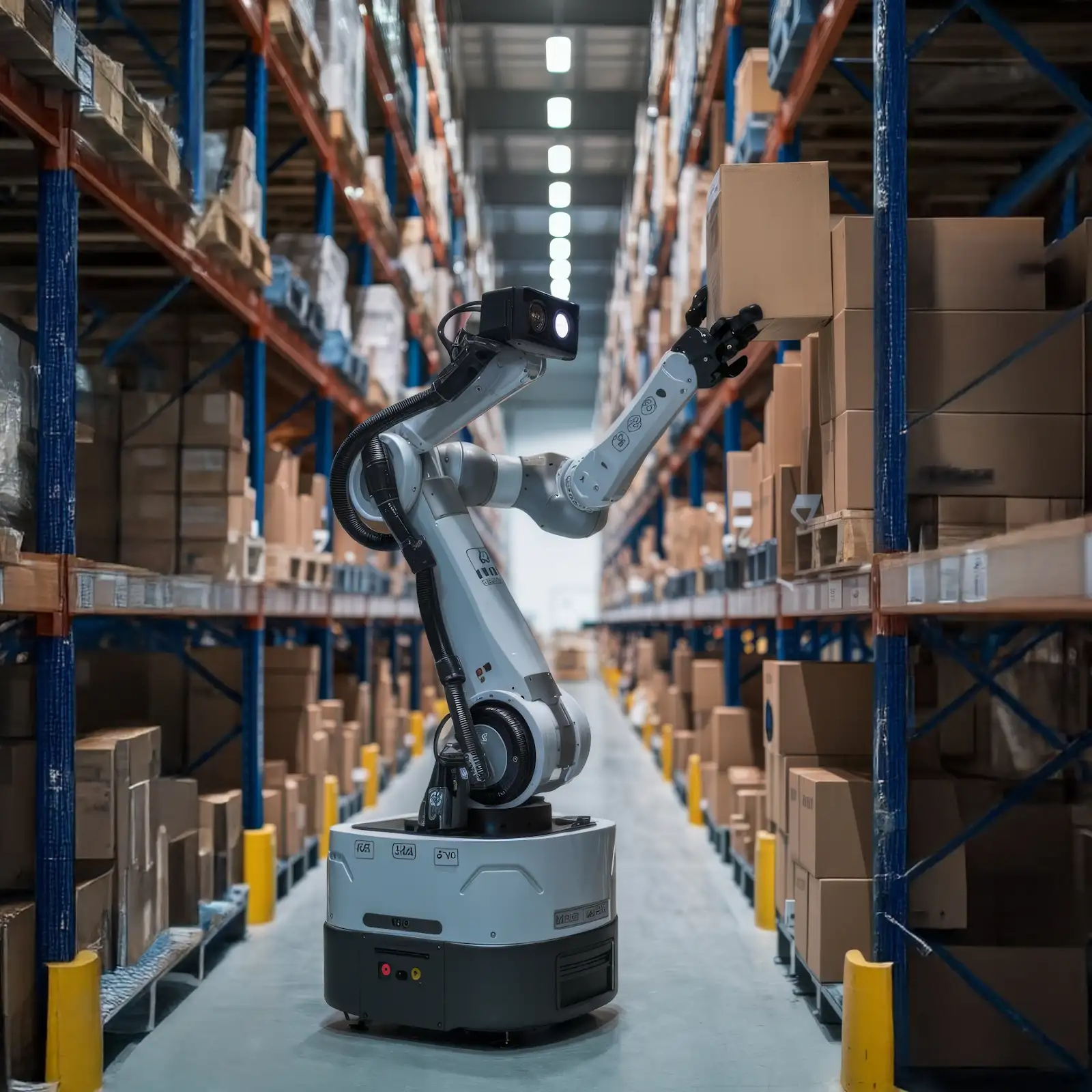
If freight forwarders do not adapt, they risk slipping behind competitors who use automation, blockchain, and smart data analytics. Legacy systems and resistance to digital change remain strong barriers to operational resilience and market share.
Traditional freight forwarding solutions rely on fragmented systems & manual processes, which cannot keep up with rapidly diverse supply chains and the scale of digital commerce. These approaches lead to reduced visibility, slower flexibility, and higher costs, particularly during systemic shocks like pandemics or geopolitical disruptions.
Business leaders emphasize the need for integrated digital strategies: learn about supply chain trends in 2025 for more information.
Even technology adoption can go wrong if not connected to an integrated strategy. Many businesses invest in individual automation tools or data silos, resulting in inefficient digitalization instead of smooth, scalable operations. The need for end-to-end ecosystem integration; across partners, platforms, and regions; is greater than ever before.
WTCalliance is at the forefront of freight forwarding trends, offering extensive digitalization, supply chain automation, and blockchain-powered visibility. Members have access to integrated platforms which connect forwarders, carriers, & shippers, enchanting data transparency & predictive planning for better route optimization.
WTCalliance promotes collaboration among freight forwarders, logistics platforms, & technology providers through its global network. The alliance frequently provides strategies, professional training, and trend research to improve its members and bridge the talent gap in logistics industry trends.
.jpeg)
WTCalliance also supports its members in adopting sustainability strategies, from route efficiency technologies to green logistics innovations. Joint reporting, shared progress benchmarks, and access to environmentally friendly partners ensure that the emerging ESG mandates of 2025 are met.
The logistics sector in 2025 faces a crucial transformation, underpinned by dynamic freight forwarding trends, the rise for digitalization, automation, and changing consumer and regulatory pressures. Freight forwarders who rely on legacy solutions face rising challenges, whereas those who embrace innovation via collaborative alliances, such as WTCalliance, will succeed.
To future-proof freight forwarding operations and be a part of the global network influencing supply chain trends for 2025 and beyond, join WTCalliance and become a member now. Discover exclusive availability of technology, training, and partnerships.
Copyright © 2026 All Rights Reserved by WORLD TOP CARGO ALLIANCE LTD
Design and Developed by infinGlobal