
28 October 2026
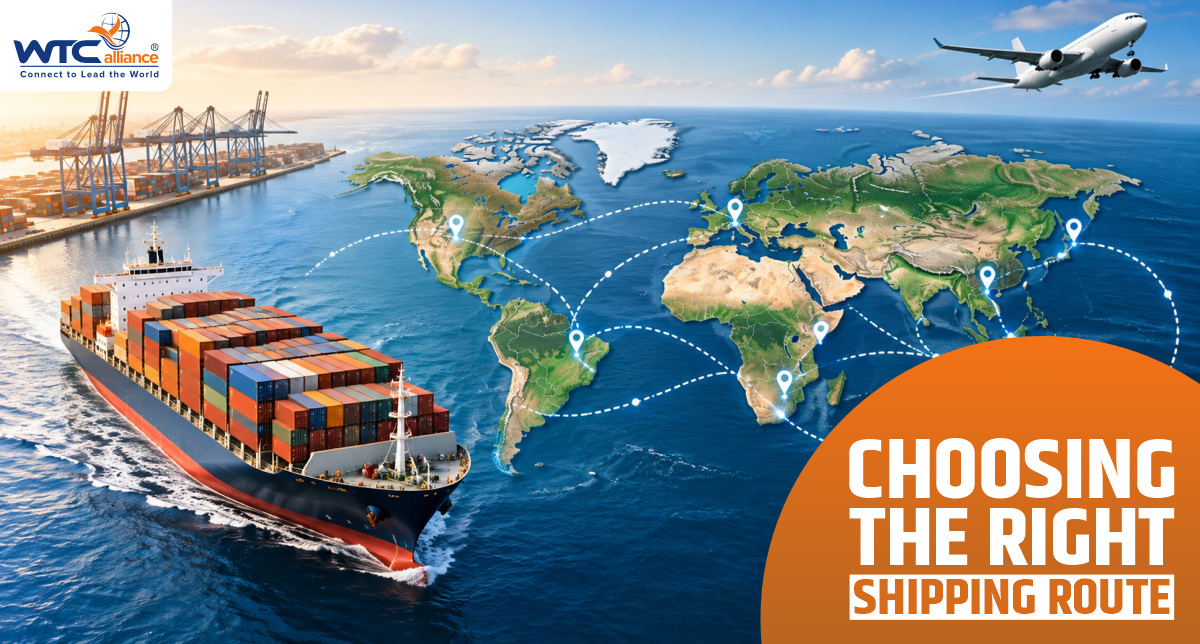
Choosing a shipping route is about much more than distance. The route can influence transit time, freight cost, port congestion, customs procedures, cargo handling and exposure to disruption. For businesses moving goods internationally, the right route needs to balance cost, speed and reliability rather than simply selecting the shortest or cheapest option.
WTC Alliance explains how freight forwarders help businesses ship globally.
Two routes connecting the same markets can produce very different results. A shorter route may involve congested ports, limited vessel capacity, additional transshipments or weak inland connections.
Port efficiency is especially important for ocean freight. The World Bank Container Port Performance Index examines how efficiently container vessels are handled at ports, highlighting why port performance should be considered when evaluating shipping routes.
Transportation mode is another factor. Sea freight can suit larger shipments, while air freight may be appropriate when speed is critical. WTC Alliance's Sea Freight vs Air Freight guide explains how urgency, cargo characteristics and cost influence this decision.
The lowest quoted freight rate does not always mean the lowest overall logistics cost. Storage, handling, demurrage, detention, transshipment and delays can increase the final cost.
Forwarders can examine ways to reduce freight costs without compromising service and understand how negotiating better rates with carriers can influence available options.
A route must also work from a customs and compliance perspective. Documentation, cargo classification, inspections and transit requirements can affect how smoothly goods cross borders. The WTO Trade Facilitation Agreement focuses on simplifying and modernising import, export and transit procedures.
Businesses should also understand trade responsibilities and costs. WTC Alliance's Incoterms guide explains common trade terms, while its freight documentation checklist helps forwarders review essential shipping documents.

International shipping routes are not fixed. Weather events, port congestion, infrastructure problems, geopolitical developments and capacity shortages can force carriers to change established routes.
UNCTAD's Review of Maritime Transport highlights how recent disruptions and rerouting have increased shipping distances and affected maritime operations.
Forwarders should consider alternative ports, carriers, transportation modes and inland connections before disruption occurs. Reliable overseas partners can provide valuable local information when conditions change.
Route planning becomes more effective when forwarders have dependable partners in origin, transit and destination markets. Local agents can provide insight into port conditions, customs procedures, inland transport and alternative routing options.
WTC Alliance connects freight forwarders with trusted agents across 120+ countries, helping independent forwarders coordinate international shipments across markets. Learn more about the WTC Alliance network.
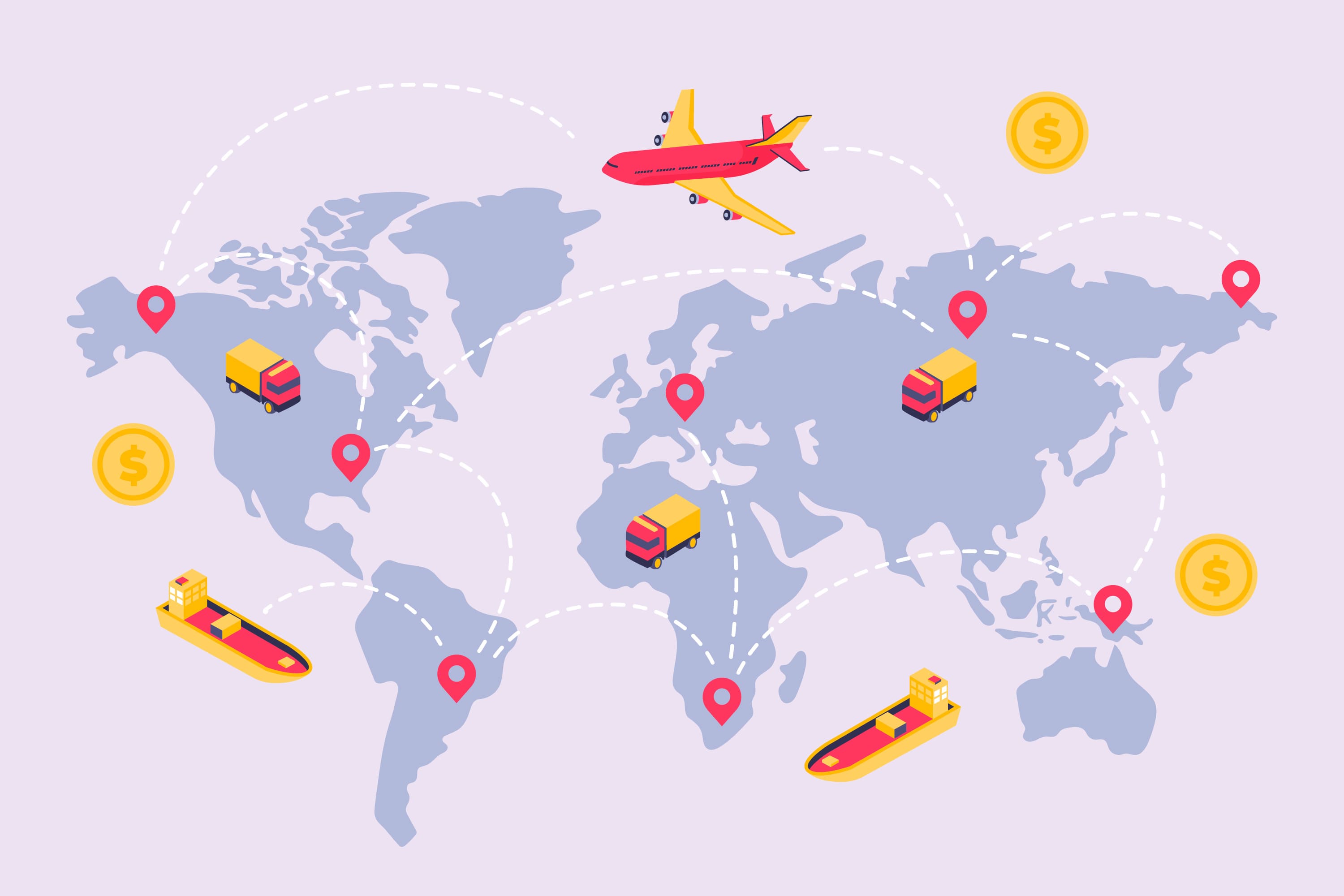
Strong overseas relationships can also help freight companies expand into new international markets without establishing their own offices everywhere.
Ultimately, the right shipping route offers the most suitable combination of cost, transit time, capacity, connectivity and resilience for a particular shipment. As global trade routes evolve, forwarders that can evaluate alternatives and coordinate reliable international partners can help keep cargo moving efficiently.
Explore the global freight forwarding network at WTC Alliance.
Copyright © 2026 All Rights Reserved by WORLD TOP CARGO ALLIANCE LTD
Design and Developed by infinGlobal