
29 September 2026
Confirm the product, quantity, weight, dimensions, packaging, value, origin, destination and any restrictions or special handling requirements. For an introduction to freight forwarding, read WTC Alliance's guide to freight forwarding.
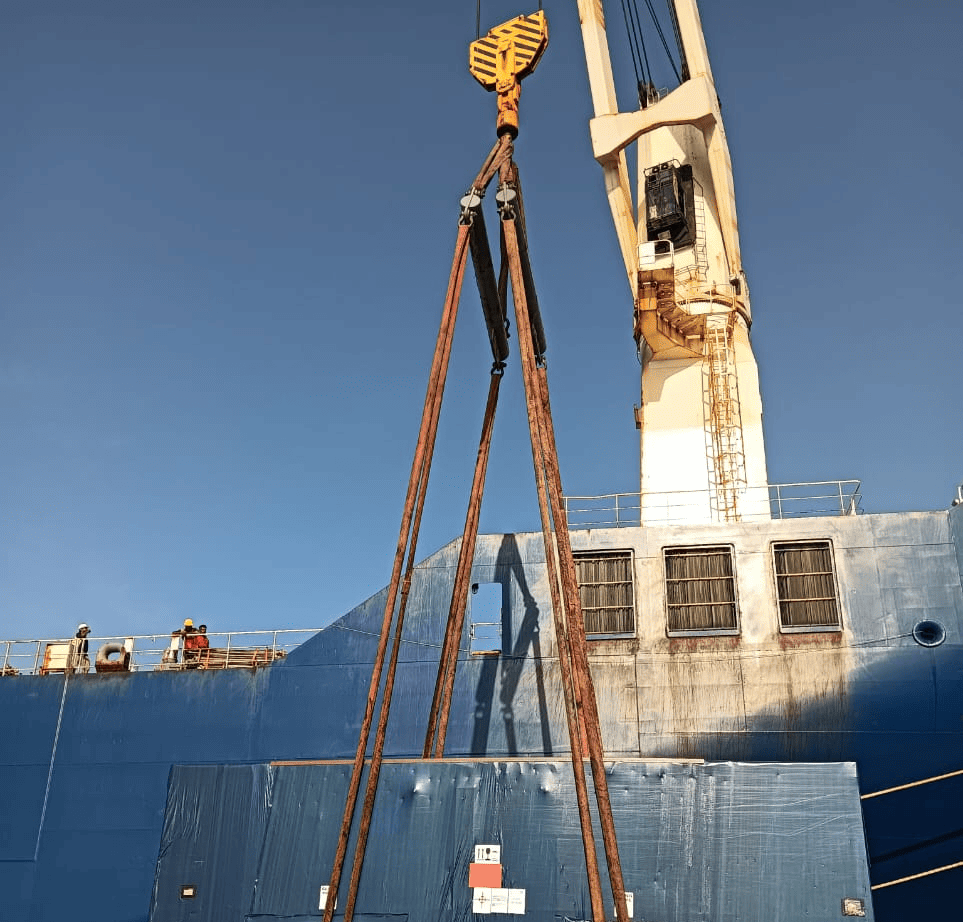
An appropriate Harmonized System (HS) code helps customs identify goods and can affect duties, taxes and regulatory requirements.The World Customs Organization's HS classification resources provide official guidance.
Common options are:
The choice depends on cargo, urgency, budget, origin and destination. See WTC Alliance's Sea Freight vs Air Freight guide.
Incoterms define buyer and seller responsibilities for transportation, costs, customs and risk.
The International Chamber of Commerce's official Incoterms resources explain these rules. WTC Alliance also covers FOB, CIF and DDP in its Incoterms guide.
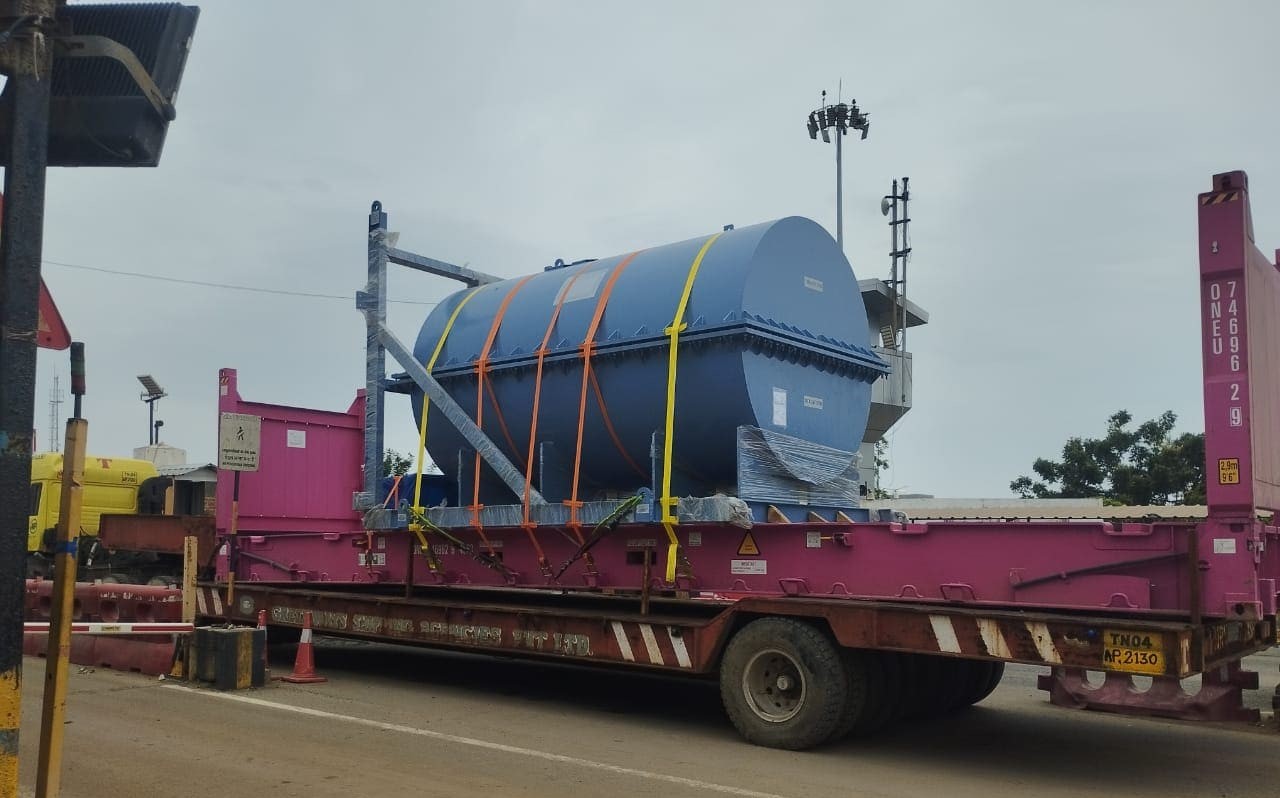
Depending on the shipment, documents may include commercial invoices, packing lists, bills of lading or air waybills, certificates of origin, export/import documents, insurance documents and customs declarations.
See the U.S. Department of Commerce guide to common export documents and WTC Alliance's freight documentation checklist.
Packaging should suit the product, transport mode, weight and handling conditions. Labels and shipping marks should match the documentation.
A freight forwarder can coordinate carrier booking, documentation, cargo collection, customs coordination, transportation, tracking and destination delivery.
Learn more through WTC Alliance's How Does a Freight Forwarder Help Businesses Ship Globally?.
Ensure pickup details, package count, weight and booking references are accurate. Export customs must be completed before departure, while destination shipments may require import clearance.
The World Customs Organization's customs valuation guidance explains customs valuation and its role in duties and taxes.
Tracking helps businesses plan inventory, update customers and manage exceptions. Destination activities may include import clearance, duty and tax payment, cargo release and final delivery.
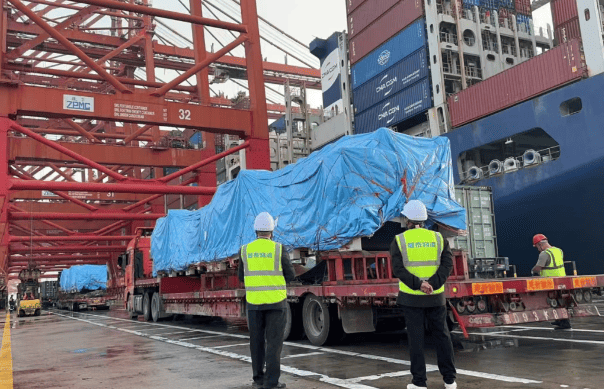
After delivery, review transit time, freight costs, customs charges, documentation, delivery performance and unexpected expenses. These insights can improve future shipments.
The initial freight quote may not represent the full logistics cost. Consider origin handling, documentation, customs, duties and taxes, storage, terminal charges, delivery, insurance and delays.
WTC Alliance's guide on avoiding hidden costs in global shipping explains why understanding the complete cost structure matters.
A freight forwarder can be valuable when a business ships internationally, enters unfamiliar markets, uses multiple transport modes or needs help coordinating documentation and logistics providers.
Accurate cargo information, suitable transport, correct Incoterms, complete documentation, customs preparation and reliable logistics partners can make international shipping easier to manage.
Visit www.wtcalliance.com to discover how WTC Alliance connects independent freight forwarders across international markets.
Copyright © 2026 All Rights Reserved by WORLD TOP CARGO ALLIANCE LTD
Design and Developed by infinGlobal