
16 December 2025
Over the last decade, logistics has seen significant shifts. Freight forwarders always have to strike a balance between cost reduction and operational efficiency due to factors including complicated customs laws, rising fuel prices, and container shortages. The World Bank's study on global trade logistics found that supply chain and transportation expenses account for around 12% of global business revenues. This creates a serious problem for a lot of small and medium-sized forwarders: how can they continue to be profitable, provide trustworthy freight forwarding services, and stay competitive?
Individual freight forwarders are not as large as international carriers. Because of their weak negotiating position, they frequently face increased handling fees, variable carrier rates, and lost chances for more efficient routes. The idea of teamwork has become important as a result. Instead of competing in a fragmented market, forwarders increasingly turn to freight forwarder networks like the WTCalliance to decrease risks, share resources, and save money on shipping.
Businesses worldwide spend a significant portion of revenue in supply chain costs, according to the World Bank’s Supply Chain Performance Index, highlighting the urgent need for effective freight forwarder networks.
This blog explores how the WTCalliance helps freight forwarders with their cost issues, why traditional cost-cutting measures don't work, and how membership allows for long-term logistics cost-cutting plans through global collaboration.
A complex ecological freight forwarding involves multiple stakeholders, including shipping companies, railroads, customs officials, and truckers. Every step has its own cost implications, such as:
For independent forwarders, these expenses add up rapidly. Small and medium-sized businesses often do not have access to the volume-based discounts that larger international players have. As a result, businesses pay higher shipping costs, which makes it difficult to keep their prices affordable for customers.
Even experienced freight forwarders risk losing clients to bigger rivals that can afford to absorb costs or bargain for cheaper prices if they don't practice cost optimization.
High logistics costs have an effect on the entire supply chain. High operating costs significantly lower freight forwarders' profit margins. This results in higher transportation costs for their customers, that include manufacturers, retailers, and exporters, which has a direct impact on their capacity to expand in global markets. Some of the major consequences include:
Without a creative, collaborative strategy, many forwarders are obviously trapped in an endless cycle of higher costs and lower revenue.
Individual freight forwarders commonly use classic logistics cost reduction techniques, however these methods achieve limited results:
Better pricing isn't the only problem; structural coordination is needed so that forwarders can function as a single network, sharing resources, opportunities, and risk reduction. This is where the WTCalliance adds real value.
Individual freight forwarders attempt various logistics cost reductions strategies, yet they often fall short without advantages of scale and partnerships.
The WTCalliance is a global freight forwarder network built on collaboration. In order to access common opportunities, contacts, and support, members join under a single, trusted platform rather than competing individually. This partnership-driven approach helps members to lower logistics costs while offering clients with efficiency and reliability.
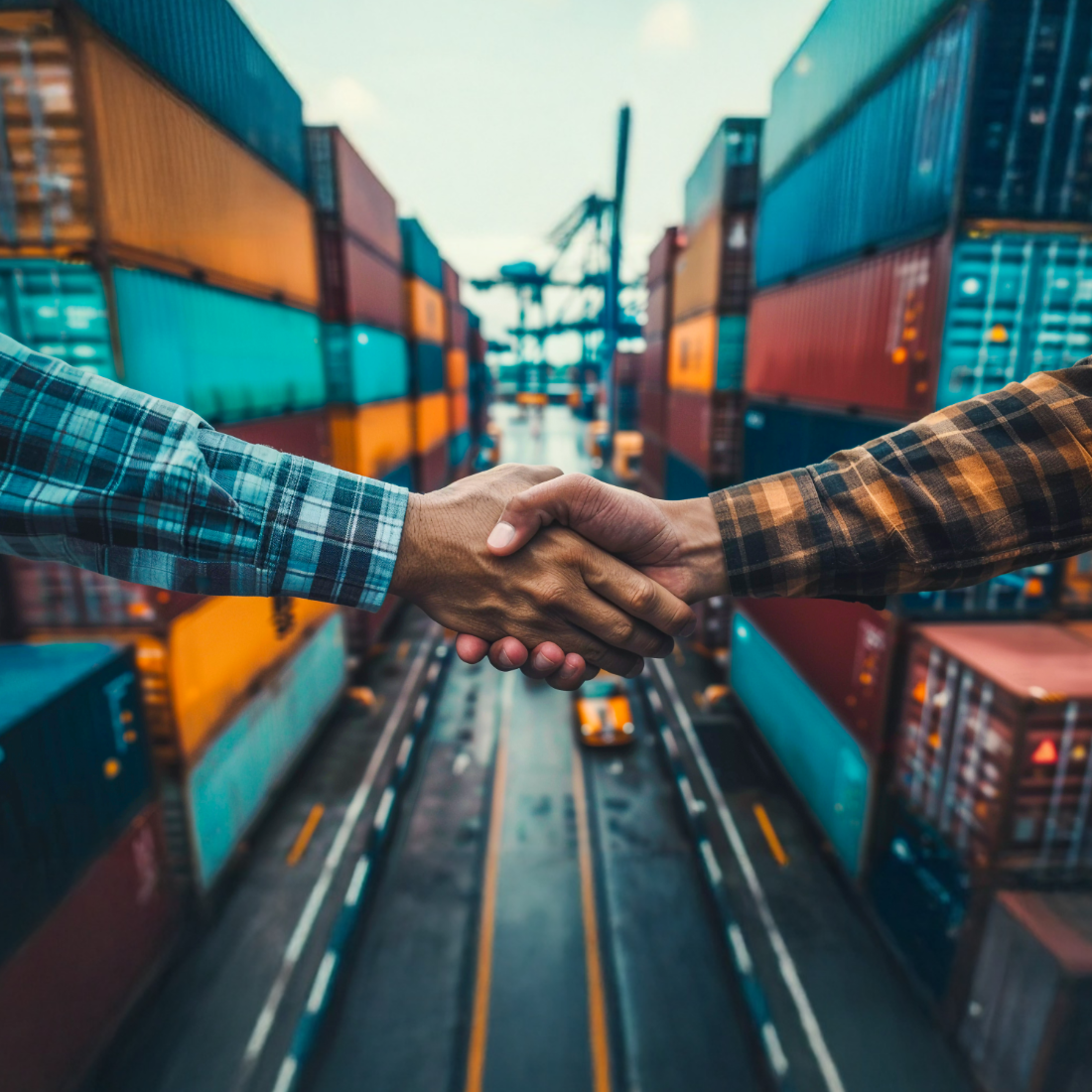
Members of the WTCalliance can save money on shipping in the following main ways:
The WTCalliance offers economies of scale as one of its most important advantages. Members are more likely to receive advantageous pricing from carriers when they pool shipment volumes through trustworthy partners. Because of their collective purchasing power, forwarders can access price points that they individually would not be able to.
Forwarders have access to verified global partners thanks to members from many continents. By doing this, the possibility of fraud is reduced, standardized service quality is ensured, and the costs often associated with searching unsuccessfully for new global partners are removed.
Rather than hiring costly consultants, members can rely on partner expertise for warehouse support in growing regions or customs clearance expertise in new markets. Better freight management systems and significant overhead benefits result from this.
Trade comes with risks, such as delayed shipments, damaged cargo, and regulatory inspections. The WTCalliance reduces the pressure on individual forwarders by spreading operational and financial risks around the network

WTCalliance gives its members access to modern digital technologies for communication, documentation, and tracking. These innovations decrease delays, errors, and improve decision-making, resulting in significant cost savings.
Members benefit from both lower costs and more revenue possibilities. Forwarders can provide greater global freight services without having to invest in opening offices in several nations by using global connections.
Let's look at a few scenarios to show the effects of collaboration within WTCalliance:
Scenario 1: Consolidated Shipments - To combine LCL shipments, a mid-sized Indian forwarder collaborates with a European member. By combining container space, they both save expenses and give their customers the savings.
Scenario 2: Assisting with Market Entry - A Southeast Asian freight forwarder joins the Alliance in order to grow into North America. They work with a trusted partner in the U.S., reducing entrance costs by more than 40%, rather than hiring employees and creating infrastructure from scratch.
Scenario 3: Risk Reduction - To avoid demurrage costs and preserve profits during port congestion, a Latin American forwarder uses the Alliance's worldwide network to redirect cargo via alternate partners.
Through our freight forwarding services, members can reduce operational costs and optimize shipments globally.
These are real-life examples of how strategic partnerships inside the freight forwarder network result in lower costs and a competitive advantage.
Traditional ways to reduce expenses are no longer enough for freight forwarders due to intense competition, growing expenses, and increased global uncertainty. Scalability, trust, and opportunity access are essential when creating effective logistics cost-cutting strategies.
The WTCalliance allows forwarders to combine their resources, decrease risks, and broaden their reach, all while saving money. Joining this trustworthy freight forwarder network will help you lower logistical expenses while increasing profitability, strengthening global partnerships, and opening up new revenue channels.
You should join the WTCalliance now if you are a freight forwarder who wants to improve profitability, build global partnerships, and reduce shipping expenses. Start your journey to collaborative growth and long-term success today.
To start saving costs and expand your global reach, consider joining the WTCalliance today.
Copyright © 2026 All Rights Reserved by WORLD TOP CARGO ALLIANCE LTD
Design and Developed by infinGlobal