
17 March 2026
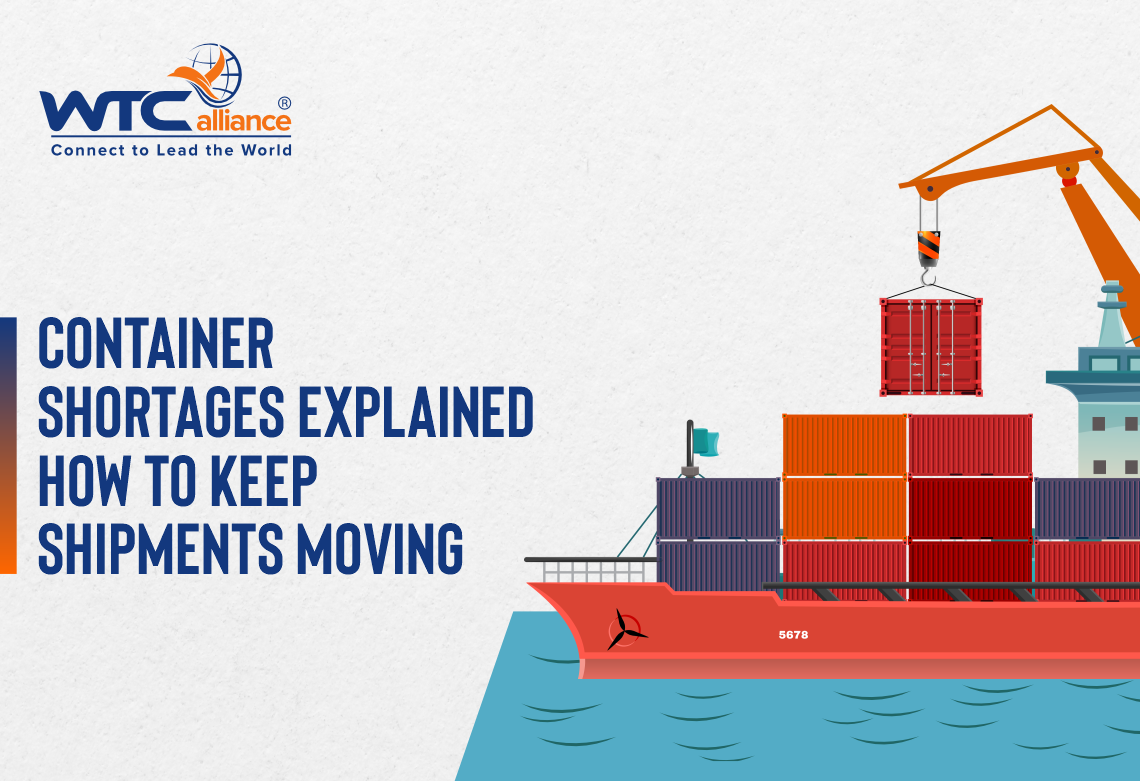
Following global supply chain interruptions, a continuous container scarcity has become among the most significant challenges for forwarders, exporters and importers alike. Shipping companies are straining to relocate empty containers in time to meet rising demand for products. While exports have recovered following the pandemic, container availability lags significantly, leaving businesses scrambling to keep their cargo moving.
The gap between container capacity and demand has altered freight prices, vessel scheduling, & container logistics management around the world. The ripple effect impacts everyone, from tiny exporters to global organizations, thus it is critical to understand the underlying causes, downstream effects, and practical remedies that can ensure company continuity.
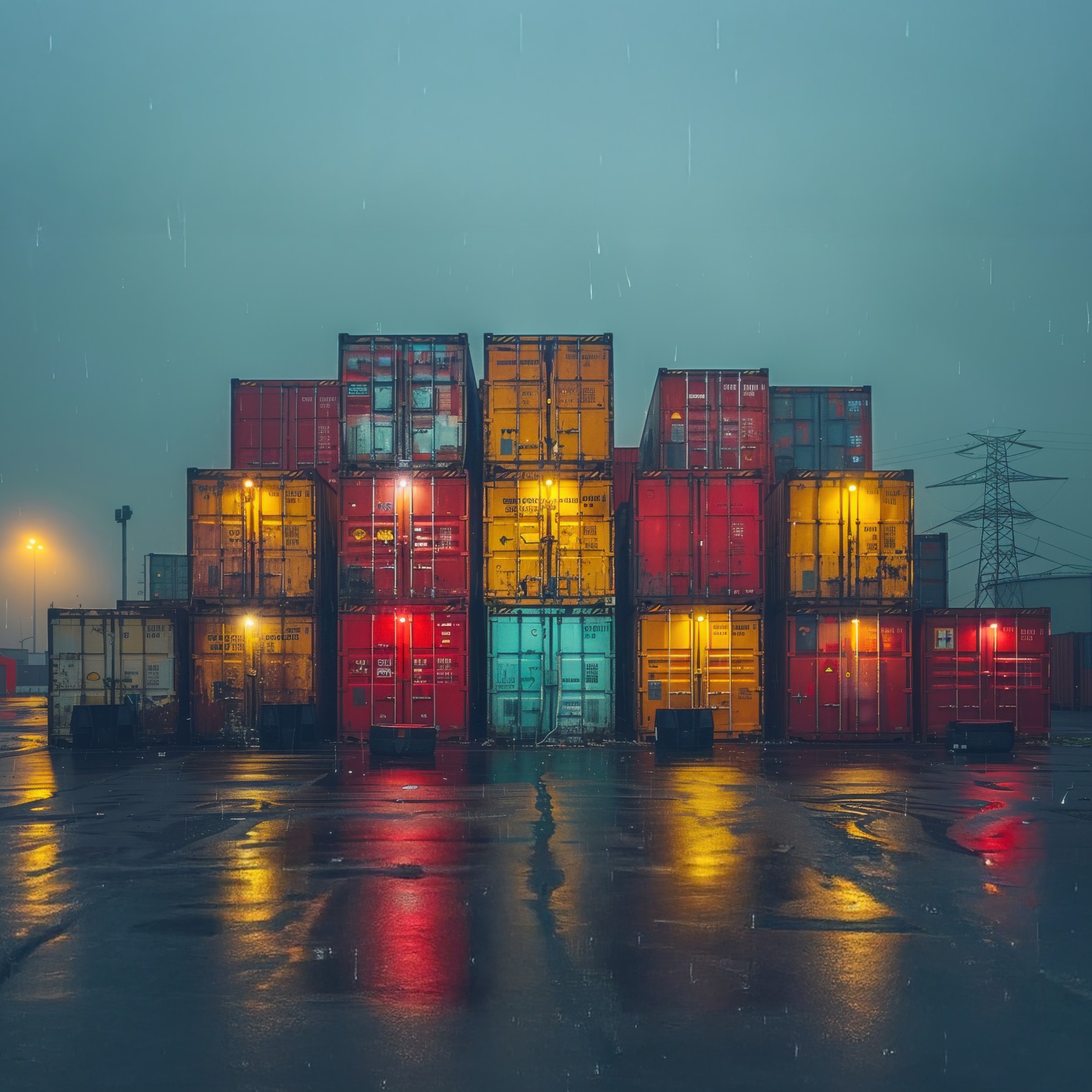
The term "container shortage" refers to a gap between the need for shipping containers & global supply across ports. Containers, particularly 20- and 40-foot containers, are not spread uniformly. After large trade disruptions, many locations have container surpluses, while others have severe shortages. For example, when Asia experiences container shortages, European ports might have an excess of idle units.
Several underlying processes contribute to this dilemma.
To learn more about the strength of our global freight network, go to WTCalliance’s About Us page and discover how collaboration creates solutions.
Freight forwarders are at the heart of global logistics. They act as intermediaries, arranging shipping schedules, negotiating carrier prices, and keeping track of container availability for customers. The transport container shortage caused their challenges on several levels.
Freight forwarders must implement supply chain resilience tactics that reduce container bottlenecks and enhance real-time decision-making if they want to stay competitive.
Several countermeasures have been tried by the shipping industry, including container leasing, route optimization, and collaboration with other carriers. However, these traditional remedies only provide short-term relief.
Leased containers provide flexibility, although they can be pricey and limited in high-demand areas. During acute shortages, lease rates soar, decreasing profit margins.
Shipping lines prioritize profitable routes, leaving other trade channels underserved. As a result, supply chain efficiency varies by region.
Many carriers strive to redeploy empty units quickly, but port congestion & customs delays usually slow down the operation.
While alternate shipping techniques, such as bulk or air freight, provide temporary solutions, they are ineffective and costly for many businesses.
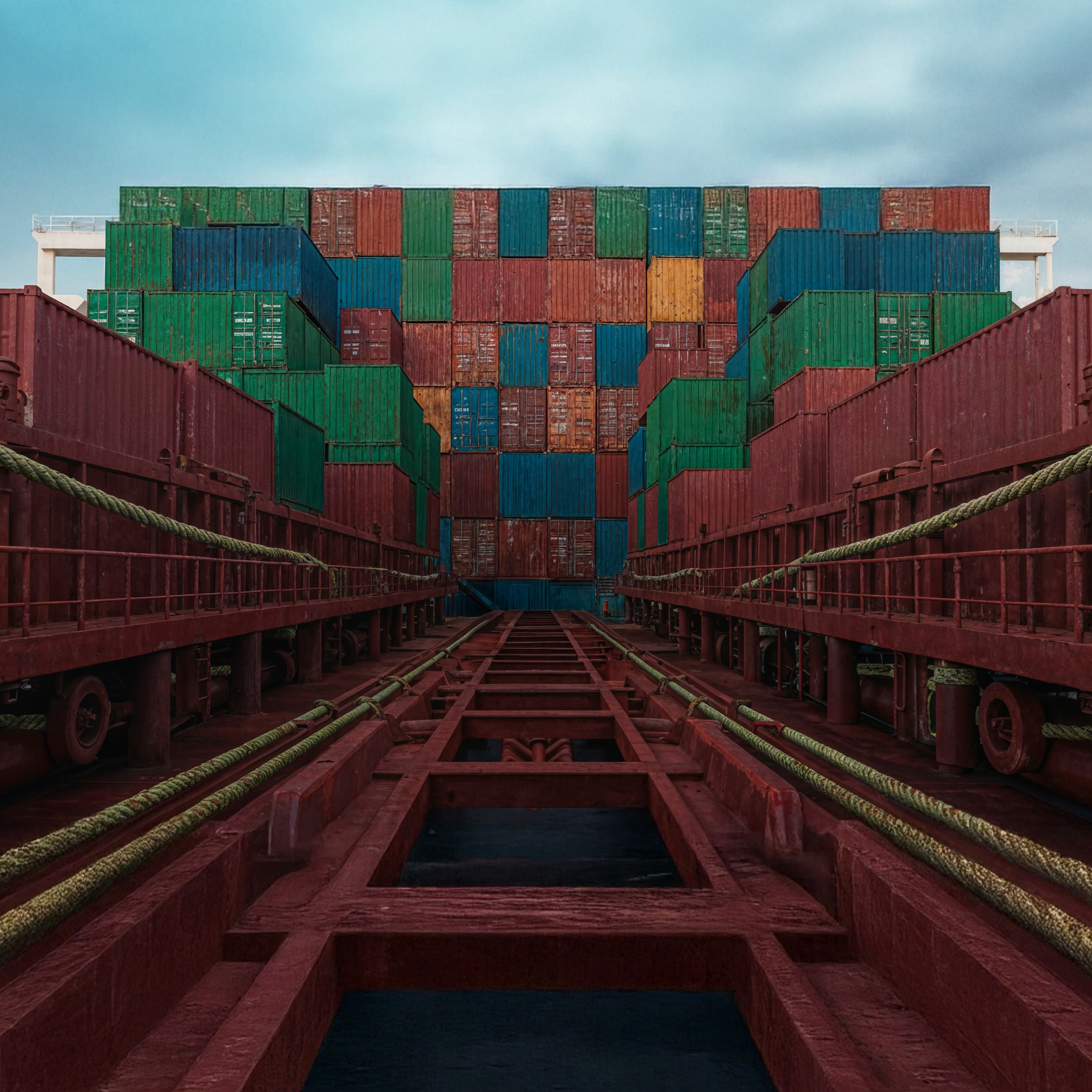
Despite these strategies, the underlying issue persists: container distribution is variable, and operational inefficiencies continue to prevent smooth cargo transportation.
Real-time tracking & predictive logistics management represent the industry's next big step forward. Container tracking systems allow stakeholders to identify container locations, track utilization rates, and estimate future availability. Data-driven visibility enables companies to:
Emerging digital freight networks are currently changing container operations by providing transparent data flows among ports, forwarders, and shippers. These networks serve as the foundation for future supply chain sustainability.
WTCalliance acts as a uniting platform that enables freight forwarders during times of uncertainty. WTCalliance, a global network of independent logistics providers, allows its members to interact, share resources, and solve issues such as container shortage disruptions together.
WTCalliance draws together logistics specialists from many continents, improving access to containers, carriers, and trusted partners. By connecting forwarding agencies across important trade routes, the alliance improves availability of containers where it is most required.
Members are able to plan and cycle equipment using real-time insights thanks to shared intelligence and coordinated scheduling. This collaborative cargo logistics management decreases idle time and repositioning costs.
WTCalliance promotes container sharing & cargo consolidation within its member network, ensuring that equipment utilization stays stable even during peak shortages.
Members benefit from linked container tracking tools that give real-time shipment status and container flows. These analytics-driven tools lower uncertainty and improve decision-making accuracy.
Beyond technological support, the alliance provides instructional programs that assist logistics professionals in implementing supply chain resilience methods, navigating regulatory compliance, & strategically expanding their capacity in crises.

Membership in WTCalliance provides freight forwarders with a framework for dealing with container shortages proactively. Members can use alliance resources in the following ways:
These initiatives enable logistics companies to adjust to the unpredictable swings due to the cargo container shortage while remaining competitive in a tighter market.
International shipping research bodies continue to constantly monitor worldwide container shortages. Agencies like the UN Conference on Trade and Development (UNCTAD), issue regular reports on maritime equipment imbalances.
The takeaway from this continuous problem is clear: genuine resilience stems from collaboration, transparency, and innovation. Companies acting alone have limited control on container supply and rates. However, when connected through international alliances like WTCalliance, they gain the competitive advantage of collective intelligence and mutual support.
Predictive analytics, strategic alliances, and supply chain resilience tactics are all included into a logistics plan that is future-proof. By doing so, freight forwarders may react more flexibly to shocks while maintaining global trade flows effectively despite the recurrent container shortage phenomenon.
The container shortage has demonstrated how intertwined global trade really is. Delays, growing prices, and inefficiencies have compelled logistics organizations to look for innovative ways to maintain continuity. While common solutions can alleviate short-term pain, collaboration and shared innovation are necessary for long-term success.
WTCalliance gives freight forwarders the ecosystem they require to effectively tackle such issues, allowing them to access global partners, shared resources, & cutting-edge technology.
Whether you're dealing with a cargo container shortage, managing container logistics, or researching alternate shipping methods, WTCalliance provides the comprehensive support your business requires.
Join us at WTCalliance today to improve the way your logistics network functions. We'll work together to keep global cargo moving efficiently, no matter what the challenge.
Copyright © 2026 All Rights Reserved by WORLD TOP CARGO ALLIANCE LLC
Design and Developed by infinGlobal